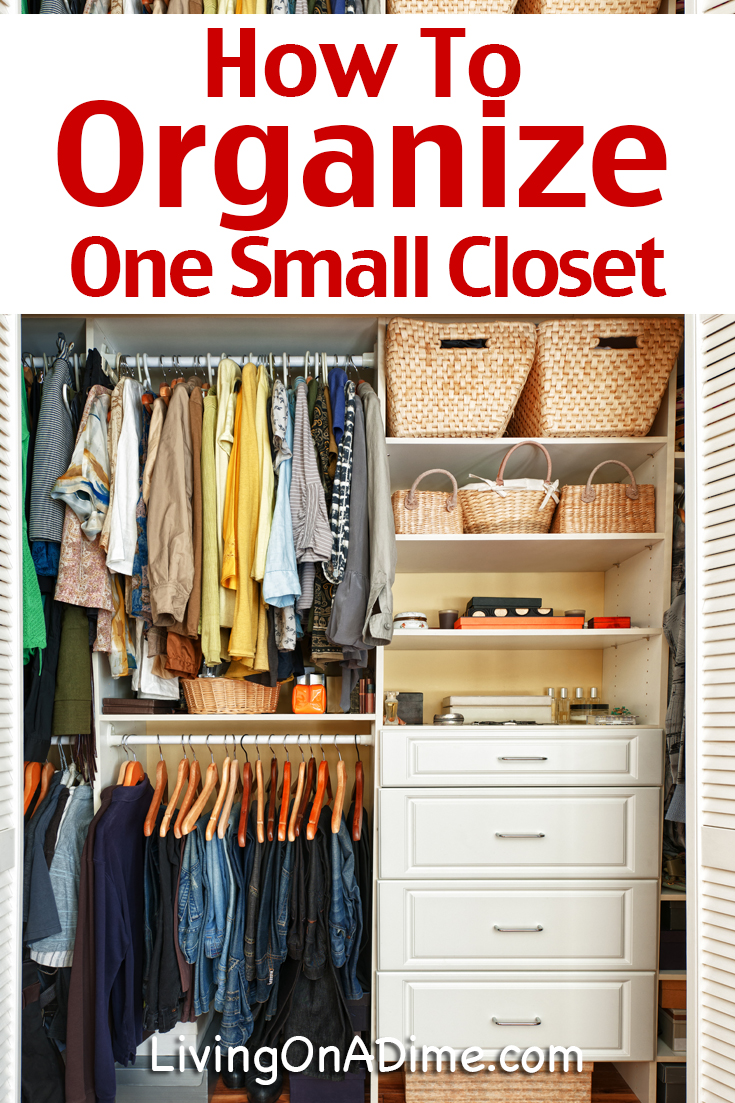

Declutter, define zones, and use vertical shelving with labeled bins.
If you want to know how to organize a garage without stress, you’re in the right place. I’ve set up garages for busy families, DIYers, and weekend athletes. This guide blends hands-on tips, safety know-how, and smart storage so you can turn chaos into a clean, working space. We’ll cover steps, tools, layouts, and habits that stick—all tailored to how to organize a garage for real life.
:strip_icc()/organized-garage-bins-paint-strips-3CKIk-xWK53B6sOjGjz5f--2000-c24c1b0d5e9c43edadb38ec109fefde1.jpg)
Set your goals and plan the project
Start with a plan. A good plan saves time and money. Decide what must live in the garage and what can move elsewhere. Measure your space and note doors, outlets, and the path your car needs.
Use this quick plan:
- Define one clear goal. For example: fit one car and a workbench.
- Set a weekend timeline and a small budget range.
- List must-keep categories: tools, sports, garden, seasonal, bulk storage.
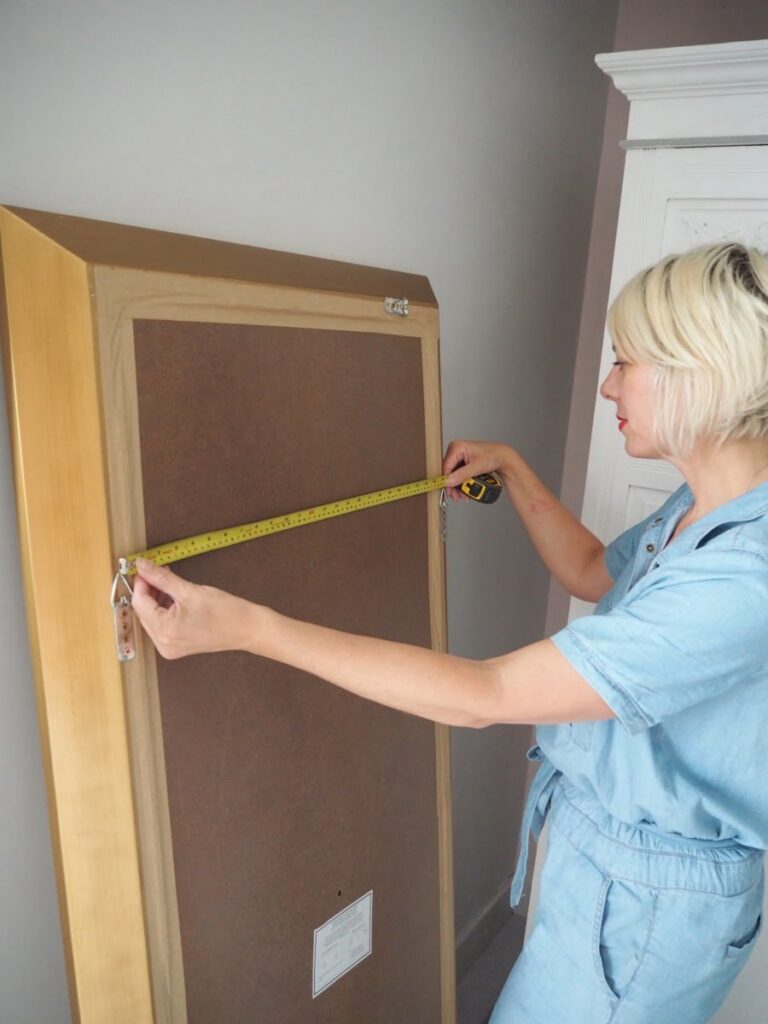
- Measure length, width, and height. Note ceiling joists and wall studs.
- Take photos before you start. This helps track progress and share wins.
From experience, a simple written plan keeps you moving when you feel stuck. It also stops impulse buys on gear you don’t need.

Empty, sort, and declutter fast
Pull everything out. Yes, everything. Seeing the full pile is a wake-up call and the fastest way to decide what stays.
Use a four-box method:
- Keep. Items you use often or love.
- Donate. Good items others can use.
- Sell. High-value items in good shape.
- Recycle or discard. Broken, expired, or unsafe items.
Pro tips I use:
- Decide by use, not guilt. If you have not used it in a year, let it go.
- Dispose of chemicals at local hazardous waste drop-offs.
- Keep heavy tools and liquids out of reach of kids and pets.
The fastest wins come from clearing duplicates and bulky packaging. This step is the backbone of how to organize a garage that stays tidy.
:max_bytes(150000):strip_icc()/GettyImages-2176939523-e2f15518d71646628c50ac0df485264f.jpg)
Design zones and a simple floor plan
Zones stop items from drifting. Map the room like a small store where each area has a job.
Try these zones:
- Car zone. Leave door clearance and room to walk.
- Work zone. Bench, tools, power, and great light.
- Garden zone. Rakes, shovels, soil, and pots.
- Sports zone. Bins for balls, racks for bats, and hooks for helmets.
- Seasonal zone. Holiday decor and camping gear up high.
- Bulk storage. Paper towels, water, and pet food on strong shelves.
Use blue tape on the floor to test paths. Keep daily-use gear at chest height. Light items go up high. Heavy gear stays low. This is key to how to organize a garage for safety and speed.
Use walls and ceilings for storage
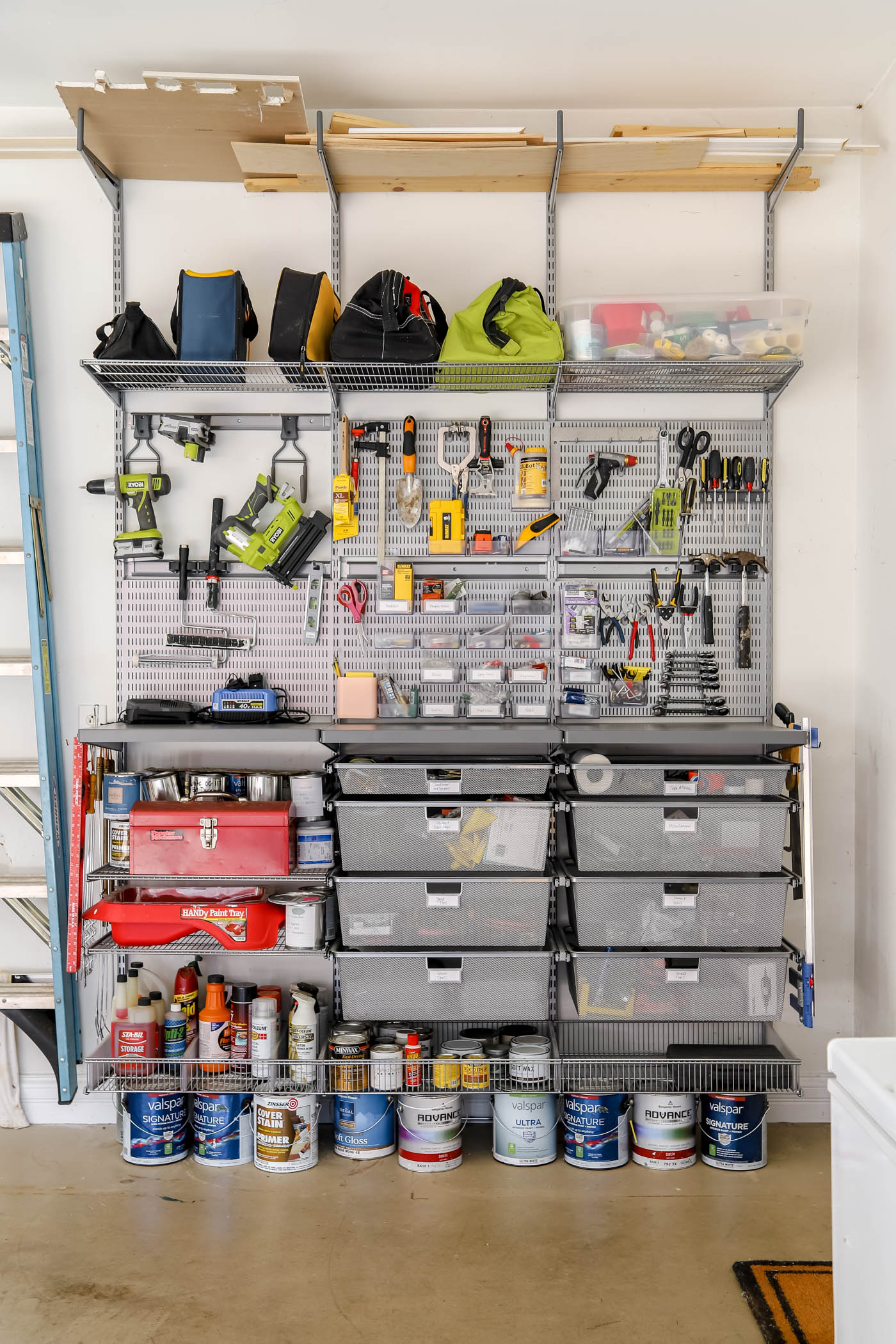
Vertical space is your best friend. Clear the floor and your garage will feel bigger at once.
Wall options:
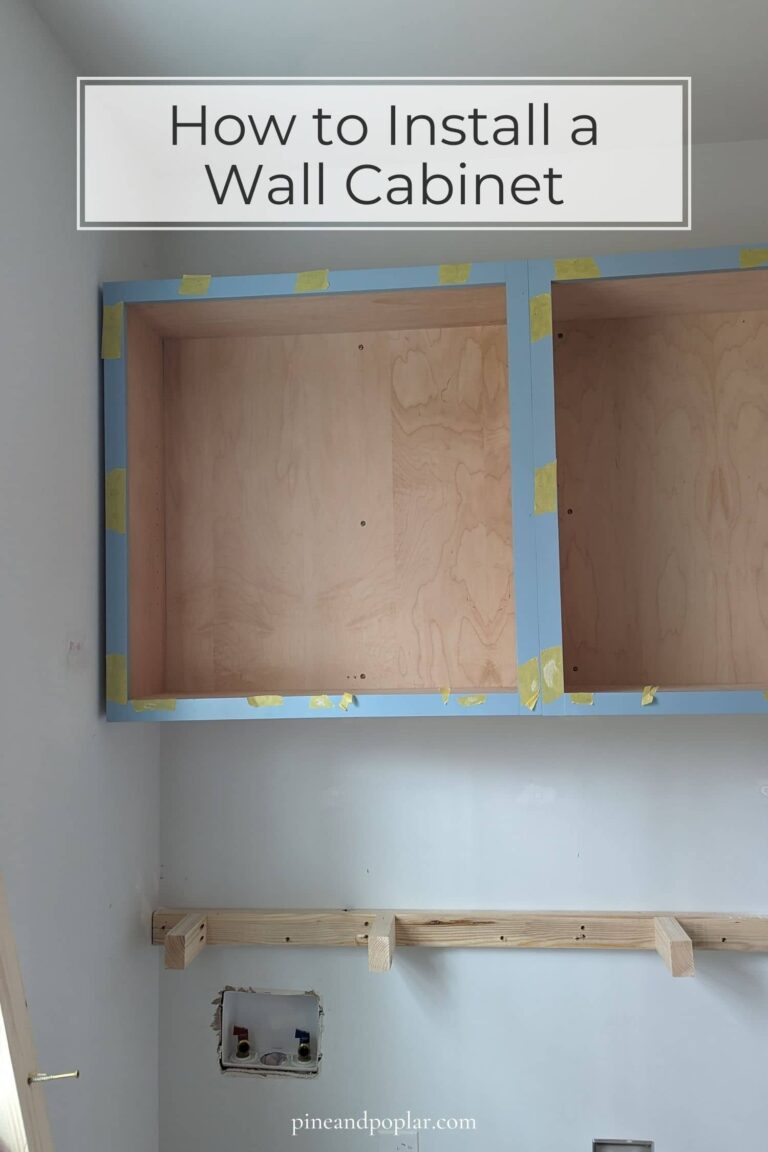
- Stud-mounted rails or slatwall for hooks and baskets.
- Pegboard for hand tools with outline labels.
- French cleats for modular shelves, crates, and racks.
Ceiling options:
- Overhead racks for bins you need only a few times a year.
- Bike hoists for infrequent riders.
Safety notes I follow on every job:
- Fasten into studs or use rated masonry anchors.
- Check load ratings on racks and hardware.
- Keep 18 inches of clearance from the ceiling if you have sprinklers.
- Leave room for garage door tracks and openers.

Choose shelves, bins, and labels that last
Good gear makes how to organize a garage much easier to keep up.
Shelves:
- Steel or heavy-duty plastic shelves handle weight well.
- Avoid flimsy clip-together units for heavy loads.
- Aim for 18–24 inches deep, 72 inches tall, adjustable shelves.
Bins:
- Clear bins help you see what you own.
- Black or opaque bins work for sunlight exposure.
- Choose one size for stacking. Use gasket lids in damp areas.
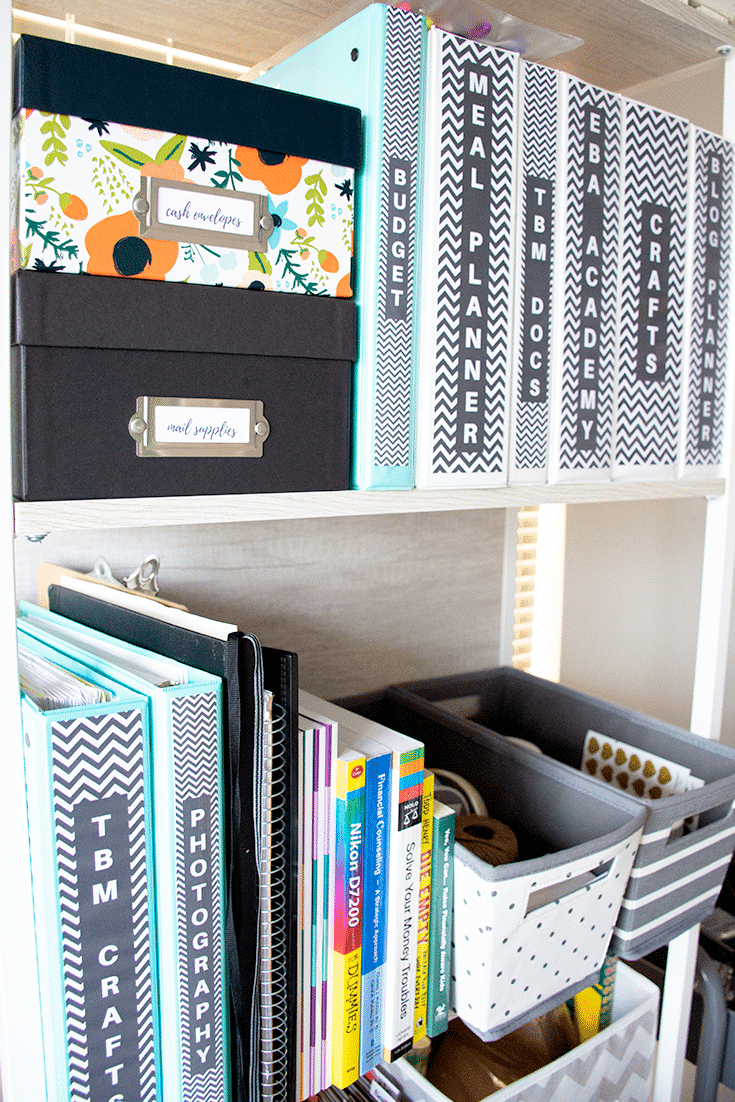
Labels:
- Big, bold labels on two sides and the top.
- Color code by zone. Blue for sports, green for garden, red for safety.
- Try QR labels to link to a simple inventory list.
I like open shelves over closed cabinets for most setups. You see everything, which reduces clutter creep.
Organize tools, hardware, and DIY gear
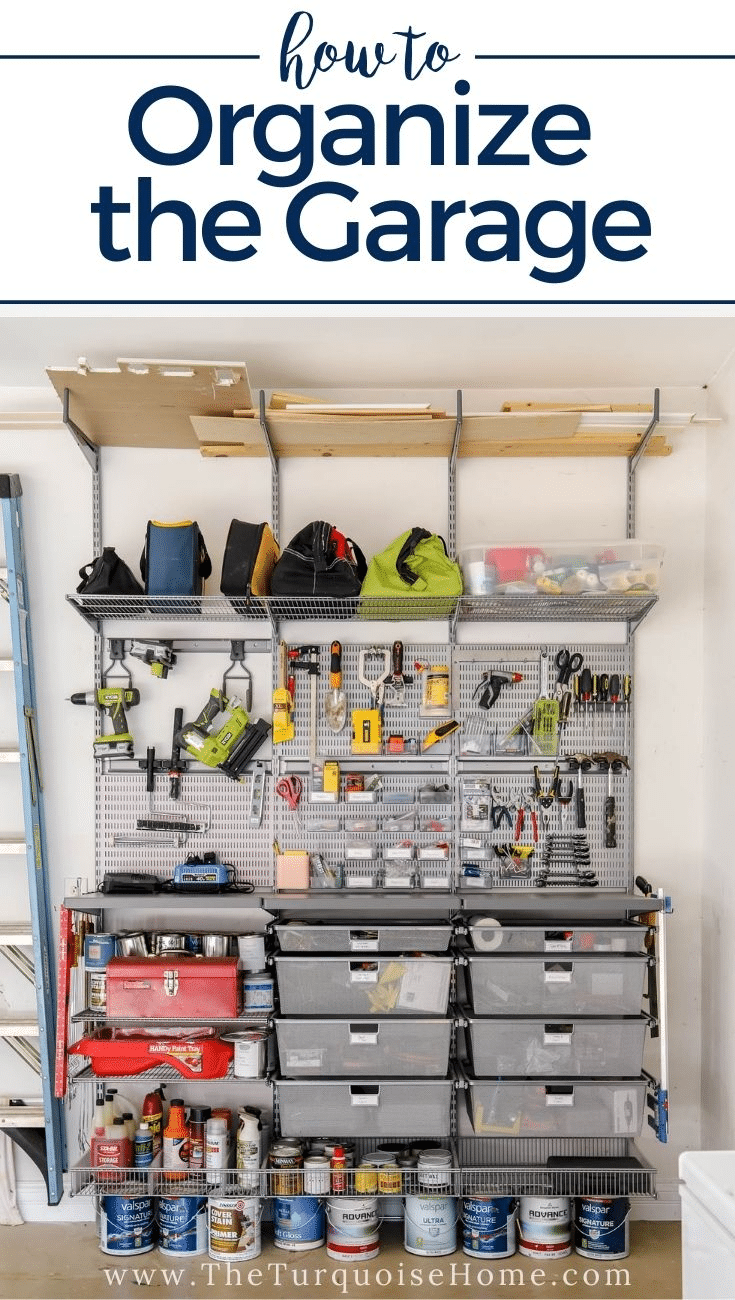
Tools pile up fast. A great system makes projects start smoother and end cleaner.
What works well:
- Pegboard above the bench for daily tools.
- A drawer chest for sockets, bits, and specialty tools.
- Small parts cases for screws and anchors, labeled by size.
- A charging shelf with a power strip for batteries and drills.
Setup tips I’ve learned:
- Put most-used tools at eye level and arm’s reach.
- Store sharp blades with covers. Use magnetic bars for metal tools.
- Keep a small trash can and shop vac near the bench.
This is where many people learn how to organize a garage the smart way: store by task. Keep sandpaper with the sander, not in a random bin.

Store bikes, sports, and seasonal items
Active gear needs fast grab-and-go access.
Bikes:
- Wall-mounted hooks for daily riders at reachable height.
- Ceiling hoists for backup or off-season bikes.
- Park kids’ bikes low so they can help.
Sports:
- Open bins for balls and gloves.
- Helmet hooks by the door you use.
- A small rack for skateboards and scooters.
Seasonal:
- Clear, labeled bins for holidays and camping.
- Store winter or summer gear up high in off-season.
- Keep a seasonal swap list to rotate items twice a year.
These setups cut weekend chaos. Families I’ve helped save time by placing sports bins by the garage-to-house door.
Safety, fire, and family-friendly setup
A safe garage gives peace of mind and keeps projects fun.
Key steps:
- Install a GFCI outlet by code near the work area.
- Keep a multi-purpose fire extinguisher near an exit.
- Store gasoline and solvents in approved cans, off the floor, away from heat.
- Mount a first-aid kit and eye protection at the bench.
Kid-safe choices:
- Put chemicals up high or in locking cabinets.
- Use self-closing lids for oily rags.
- Tie down tall shelves to studs to prevent tip-overs.
Build good habits into how to organize a garage, and everyone stays safer.
Control moisture, dust, and pests
Garages face swings in heat and humidity. Manage these early.
Moisture:
- Use a dehumidifier in damp climates.
- Add weatherstripping at the door and threshold.
- Keep bins off the floor using shelves or pallets.
Dust:
- Add a doormat at both the garage door and house door.
- Use a shop vac with a fine filter after projects.
- Seal unfinished drywall seams to cut dust.
Pests:
- Store pet food in sealed totes.
- Keep cardboard to a minimum; it draws pests.
- Seal gaps around pipes and at the bottom of walls.
When you learn how to organize a garage with climate in mind, your gear lasts longer.
Keep it tidy: routines, rules, and checklists
Organization is a habit, not a one-time event.
Try these routines:
- Five-minute reset at the end of each weekend.
- Monthly sweep: purge obvious junk and broken parts.
- Seasonal swap: rotate bins and review your inventory.
Simple rules that work:
- One bin in, one bin out.
- Return tools to the same hook every time.
- Keep walkways and car doors clear.
Use a small whiteboard or note app for project lists and shopping needs. This tiny habit locks in how to organize a garage for the long run.
Budget, timeline, and pro tips
You can do this on any budget.
Budget ideas:
- Start with shelves and a few clear bins.
- Upgrade in phases: walls first, ceiling next, then labels and lights.
- Buy used racks when safe and in good shape.
Sample weekend plan:
- Saturday morning: empty, sort, and purge.
- Saturday afternoon: install shelves and wall rails.
- Sunday: zone setup, bins, labels, and a quick deep clean.
Pro tips from the field:
- Good lighting boosts safety and mood. Swap in bright LED shop lights.
- Paint or seal the floor for easy sweeping.
- Keep a spare hook and extra labels ready for new gear.
This phased method is a steady way for how to organize a garage without overwhelm.
Frequently Asked Questions of How to Organize a Garage
How long does it take to organize a garage?
A simple one-car garage can take a weekend. Larger or very full spaces may need two or three sessions.
What is the best shelving for a garage?
Sturdy steel or heavy-duty plastic shelves work well. Choose adjustable shelves with a clear load rating and anchor tall units to studs.
How do I organize a garage on a tight budget?
Declutter first to avoid buying extra storage. Start with open shelves, a few clear bins, and bold labels, then add more over time.
Should I use cabinets or open shelves?
Open shelves make items easy to see and return. Cabinets look clean but can hide clutter unless you keep strict labels and routines.
How do I store hazardous items safely?
Use approved containers and keep them off the floor and away from heat. Lock chemicals up high and dispose of old paint or fuel at local drop-offs.
What is the best way to hang bikes?
Use wall hooks for frequent riders and ceiling hoists for long-term storage. Mount into studs and check load ratings.
How do I stop moisture and rust on tools?
Add a dehumidifier and weatherstripping, and keep tools inside closed drawers with desiccant packs. Wipe metal tools with light oil after use.
How can I keep the garage organized long-term?
Set zones, use labels, and follow a short weekly reset. Make a seasonal swap routine so items rotate and stay in the right place.
Conclusion
You now have a clear plan for how to organize a garage from start to finish. Declutter fast, map simple zones, and use walls and ceilings to free the floor. Add strong shelves, clear labels, and small weekly habits for a space that works every day.
Pick one step to start this weekend. Even one shelf and a few bins can change how your garage feels and functions. If this guide helped, share your before-and-after or subscribe for more practical home projects.