
Make a pet-safe home by removing hazards, setting zones, and choosing durable, easy-to-clean materials.
If you’ve ever chased a curious puppy away from wires or watched a cat test every surface with their claws, you know that How to Make Your Home Pet-Friendly is both an art and a science. I’ve helped hundreds of families build spaces that are safe, calm, and fun for pets. In this guide, I’ll show you How to Make Your Home Pet-Friendly with clear steps, trusted tips, and small upgrades that make a big difference.

Understand Your Pet’s Needs
Every pet is different. Start by matching your home to your pet’s age, size, breed, and energy level. A senior cat needs quiet paths and soft landings. A high-drive herding dog needs daily brain work and space to move.
Think in layers. What can they reach, chew, scratch, or swallow? Where will they rest, eat, and play? When I brought home a smart terrier mix, I learned fast. If I did not give him a job, he made one. I added puzzle toys, a crate den, and set rules for doors. That calmed him and saved my shoes.
Use this mindset across the house. The more you plan, the fewer “uh-oh” moments. This is the heart of How to Make Your Home Pet-Friendly.

Safety First: Pet-Proof Every Room
Your first job is to remove risk. Most pet ER visits come from common home hazards. You can prevent many of them with small changes.
Kitchen
- Secure trash cans with tight lids or inside a cabinet.
- Store food out of reach. Keep chocolate, xylitol, grapes, onions, and alcohol locked away.
- Use baby latches for lower cabinets. Pets learn to open doors fast.
- Add stove knob covers if your pet can jump onto the range.
Living areas
- Hide cords with covers or cord boxes. Bitter-tasting sprays can help, but covers work best.
- Anchor TVs and shelves. Cats climb. Dogs bump.
- Remove small chewable items like hair ties, batteries, and coins.
Bathroom and laundry
- Close toilet lids. Keep detergents and meds in high cabinets.
- Use hamper lids. Socks and strings can cause blockages.
- Store cleaning products away from pet areas. Fumes can irritate airways.
Bedroom
- Keep jewelry and medicine off nightstands.
- Use a low, sturdy bed frame for senior pets to prevent jumps and falls.
- Add a soft crate or bed in a quiet corner for rest.
Garage and yard access
- Lock up antifreeze, fertilizer, and paint. Many are toxic, and antifreeze is very sweet to pets.
- Check for nails, screws, and sharp tools on the floor.
- Wipe paws after yard time to reduce pesticide and pollen exposure.
Plants
- Avoid toxic plants like lilies (very dangerous for cats), sago palm, dieffenbachia, and pothos.
- Choose pet-safe options like spider plant, areca palm, and cat grass.
- When in doubt, check a veterinary-approved toxic plant list.
How to Make Your Home Pet-Friendly starts with safety. Set this base, and the rest gets easier.

Surfaces, Fabrics, and Finishes That Survive Pets
The right materials save time and money. They also make cleanup easy.
Floors
- Best picks: luxury vinyl plank, ceramic or porcelain tile, sealed concrete, and site-finished hardwood with a tough top coat.
- Add low-pile, indoor-outdoor rugs with rug pads. They grip well and wash clean.
Walls and paint
- Use scrubbable paint in eggshell or satin. Choose low or zero-VOC for better air quality.
- Add washable wall panels or wainscoting in high-traffic halls.
Furniture
- Choose tight-weave fabrics like microfiber, canvas, or denim. Leather can work if you accept patina.
- Use washable, fitted slipcovers. I keep two sets. One on, one in the wash.
- Pick sofas on taller legs only if you can block underneath. Small pets love to hide there.
How to Make Your Home Pet-Friendly means planning for fur, nails, and spills. These picks make that simple.
Set Up Zones: Sleep, Play, Eat, Eliminate
Pets relax when they know where to go and what to do. Zones reduce stress and mess.
Sleep and calm
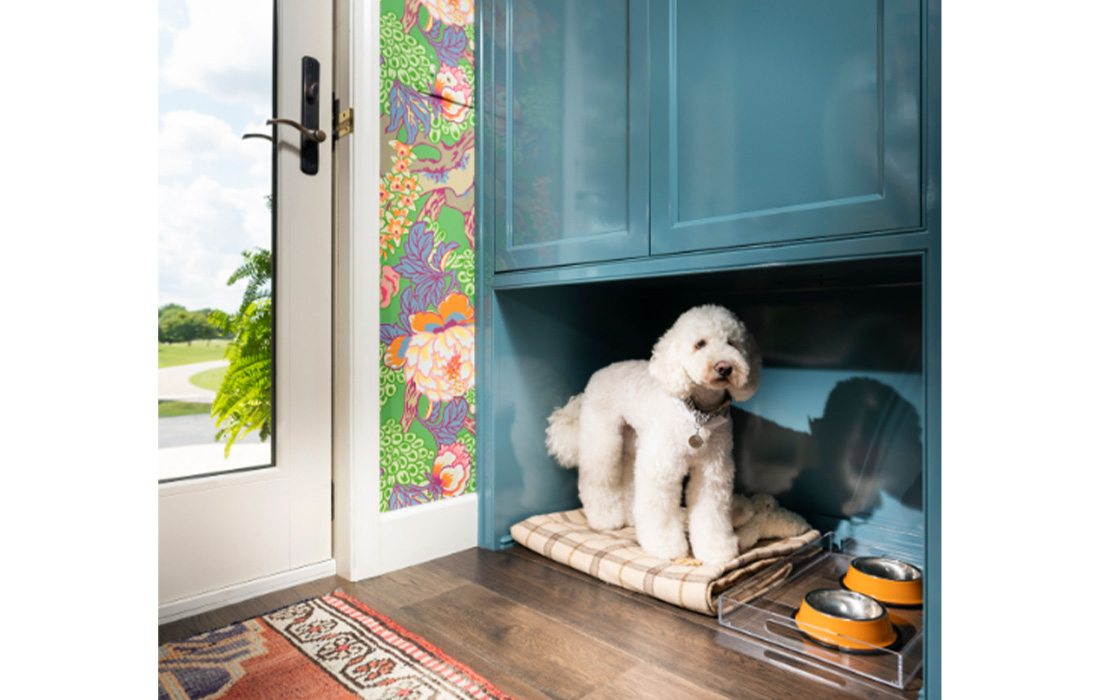
- Give each pet a quiet bed or crate den. Cover three sides to make it feel safe.
- Place beds away from doorways and busy paths.
- For cats, add tall perches for privacy.
Play and scratch
- Put scratch posts by the couch edges. That is where cats want to scratch.
- Rotate toys weekly. Offer a mix of chew toys, plush, tug, and puzzles.
Eat and drink
- Use a stable feeding station. For multi-pet homes, feed with distance or in separate rooms.
- Wash bowls daily. Stainless steel or ceramic are best.
Bathroom needs
- Dogs need a clear potty routine. Add a grass patch or pad on a balcony only as a backup.
- Cats need at least one litter box per cat plus one. Keep boxes in low-traffic, open spots. Scoop twice a day. Most cats prefer unscented clumping litter.
This zone system is a key step in How to Make Your Home Pet-Friendly.

Clean Air and Odor Control
Good air makes a huge difference for both you and your pet.
Air quality
- Use a HEPA air purifier sized for your room. True HEPA captures 99.97% of particles down to 0.3 microns, which includes dander.
- Ventilate daily by opening windows when weather and outdoor air quality allow.
Odor and stain fixes
- Blot urine right away. Use enzyme cleaners to break down odor at the source.
- Wash pet bedding weekly in hot water. Add an extra rinse cycle.
- Avoid heavy scents and most essential oils. Tea tree, eucalyptus, and citrus oils can harm pets.
Grooming and filters
- Brush pets often to reduce shed and matting.
- Change HVAC filters on schedule. A high MERV filter helps trap dander.
Clean air is part of How to Make Your Home Pet-Friendly and keeps allergies in check.
Enrichment and Mental Health
A tired brain makes a calm pet. This reduces chewing, barking, and scratching.
Daily stimulation
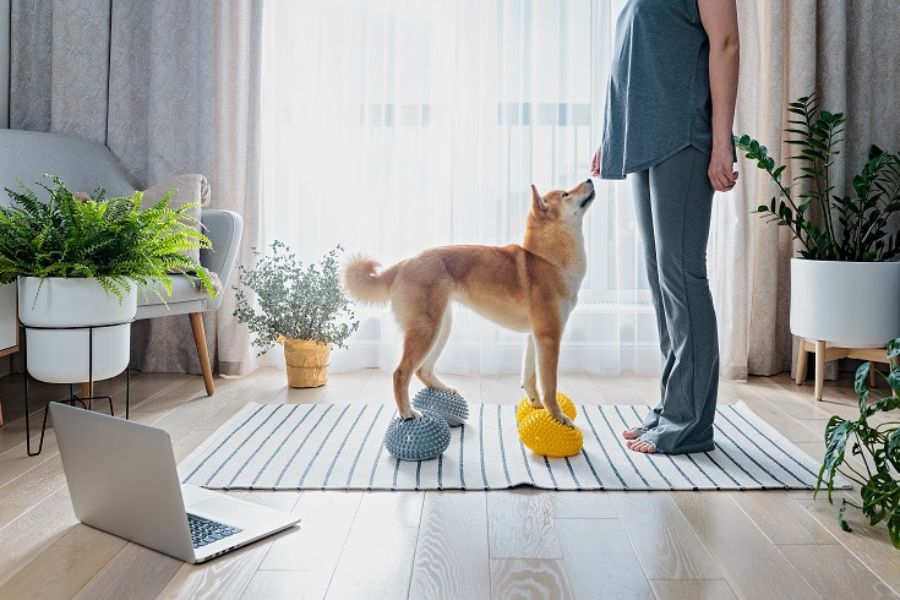
- Use puzzle feeders for meals. This slows eating and works the mind.
- Add sniff walks for dogs. Five minutes of sniffing can tire them out like a short run.
- For cats, place treats in small boxes or under cups for a quick hunt game.
Vertical and view
- Install window perches and cat trees near safe windows. Birds and sunbeams are free TV.
- Add shelves or a cat “highway” to give cats a safe route above dogs.
Routine and training
- Keep a simple daily routine for meals, play, and rest.
- Train with positive rewards. Short, fun sessions beat long drills.
When I added a morning sniff walk and a puzzle bowl, my terrier chewed less and slept more. That is the power behind How to Make Your Home Pet-Friendly.

Yard and Balcony Safety
Outdoor space can be great, but only if it is safe.
Yard basics
- Check fences for gaps. Use dig guards or gravel strips at the base.
- Skip cocoa mulch. It smells like chocolate and is toxic to dogs.
- Provide shade and fresh water. Heat can hit pets fast.
Planting choices
- Pick pet-safe plants. Avoid sharp thorns at nose level.
- Use raised beds or barriers to protect gardens from digging.
Balcony and windows
- Add pet-proof screens or netting. A fall can be fatal.
- Set a no-escape rule. Supervise and use a harness or short tether as needed.
These steps make outside time safer and are part of How to Make Your Home Pet-Friendly.
Travel, Guests, and Routine Changes
Life happens. Plan for it now to prevent stress later.
Guests and parties
- Set up a safe room with a bed, water, and white noise.
- Use a baby gate or door sign that says “Do not open. Pet inside.”
IDs and exits
- Microchip your pet and keep ID tags current.
- Use a double-leash or leash plus harness for door dashers.
Emergency prep
- Make a go-bag with food, meds, vet records, leash, collapsible bowls, blankets, and a spare litter box.
- Crate train in calm times. It becomes a safe tool, not a last resort.
These plans are core to How to Make Your Home Pet-Friendly and resilient.
Budget and DIY Upgrades
You do not need a full remodel to see big wins.
Quick, low-cost wins
- Add door mats inside and out to trap dirt.
- Use peel-and-stick tiles in messy zones.
- Place washable runners along pet paths.
DIY ideas I love
- Wrap a table leg or post with sisal rope for a scratch tower.
- Build a window perch with a shelf, L-brackets, and a foam pad.
- Use baby gates to shape space and block rooms.
Smart spending is a pillar of How to Make Your Home Pet-Friendly without breaking the bank.
Maintenance Schedule and Health Checks
Small routines keep your home fresh and your pet healthy.
Weekly
- Scoop litter daily. Wash bowls and wipe surfaces.
- Brush your pet. Check ears, nails, and teeth.
Monthly
- Deep clean bedding, crates, and soft toys.
- Inspect fences, gates, and latches.
Seasonal
- Swap HVAC filters and wash window screens.
- Update your pet first-aid kit and check microchip details.
Veterinary groups advise regular wellness exams, core vaccines, and flea and tick prevention. Ask your vet for a plan based on species, breed, age, and local risk. A health plan is part of How to Make Your Home Pet-Friendly for the long run.
Frequently Asked Questions of How to Make Your Home Pet-Friendly
How do I pet-proof electrical cords?
Use cord covers, cable boxes, and route cords behind furniture. Provide chew-safe toys to redirect the habit.
What flooring is best for pets?
Luxury vinyl plank and tile are durable, water-resistant, and easy to clean. Sealed hardwood with a tough finish also works if you keep nails trimmed.
How many litter boxes do I need for cats?
Use one per cat plus one extra. Place them in quiet, open spots and scoop twice a day.
How can I reduce pet odors at home?
Use enzyme cleaners, wash bedding weekly, and run a HEPA air purifier. Keep rooms ventilated and avoid heavy scents.
Which common plants are unsafe for pets?
Lilies, sago palm, pothos, and dieffenbachia are risky. Choose pet-safe plants and confirm with a veterinary-approved list.
How do I stop my dog from door dashing?
Teach a sit-and-wait at doors and use a baby gate as a buffer. Keep leashes hung by the door for fast control.
Are essential oils safe around pets?
Many are not, especially for cats. Avoid diffusing oils unless your vet confirms a product and dose are safe.
What fabrics work best for a pet-friendly sofa?
Microfiber, canvas, and tight-weave performance fabrics resist snags and clean well. Washable slipcovers add extra protection.
How can I make a small apartment pet-friendly?
Use vertical space, foldable crates, and puzzle feeders. Keep a strict walk and play routine to burn energy.
How do I set up a safe room for guests or fireworks?
Create a quiet space with a covered crate, white noise, water, and a favorite toy. Start positive crate time before the event.
Conclusion
How to Make Your Home Pet-Friendly is about smart choices, small habits, and steady care. Remove hazards, pick tough materials, and build calm zones. Add daily brain work and a simple cleaning plan. Your pet will relax, and your home will stay fresh.
Start with one room this week. Swap a rug, add a cord cover, set up a den. Come back for more ideas, share your wins, and subscribe for new tips that keep tails wagging and purrs loud.